
5 Early Signs Of Receding Gums Shared By Los Angeles Periodontists
You’ve noticed you’re having problems with your gums and teeth. You’re not sure what it is, but you think you may need treatment for it. The first thing you should do is see your primary dentist. Your primary dentist will take x-rays and examine your teeth and gums for periodontal diseases. When they find a periodontal disease that’s moderate to severe they’ll refer your to see a periodontist.
What is a Periodontist?
According to the American Academy of Periodontology, a periodontist is a dental specialist who works to prevent, diagnose and treat periodontal disease. They can also perform dental implants, and treat a variety of gum issues including gum recession, ‘gummy’ smiles and oral inflammation. Periodontists undergo extensive training, including a comprehensive education that includes three years of periodontics residency after dental school. In addition to periodontal disease treatments, they are trained to perform cosmetic periodontal surgeries.
Why See a Periodontist
You need to see a periodontist if you have a moderate or severe case of periodontal disease, or are in need of dental implants in the case of cracked, broken or missing teeth. Your primary dentist will be able to determine if you need to be referred to one. If your dentist finds you have a moderate to severe case of gingivitis, aggressive periodontitis, chronic periodontitis or necrotizing periodontal diseases they will refer you to a periodontist.
Types of Periodontal Disease
Gingivitis
The mildest form of periodontal disease is gingivitis. People with gingivitis have red, swollen gums that bleed easily in the early stages of it. There’s little or no discomfort at this stage. And, it usually can be reversed by a periodontist.
Aggressive Periodontitis
In people who are otherwise clinically healthy, aggressive periodontitis is featured with rapid attachment loss, bone destruction and familial aggregation.
Chronic Periodontitis
When the supporting tissues of your teeth are inflamed within, you have progressive attachment and bone loss and your gums have pocket formation and/or recession of the gingiva, you have chronic periodontitis. It can occur at any age, but it’s most common in adults.
Periodontitis as a Manifestation of Systemic Diseases
If you have a systemic disease such as diabetes, you could develop periodontitis. This form of periodontitis is treated the same way, only your medical health is taken into consideration.
Necrotizing Periodontal Diseases
This is when there are lesions present caused by an infection that’s characterized by necrosis of gingival tissues, periodontal ligament and alveolar bone. Usually, this is found in people with systemic diseases such as HIV/AIDS, malnutrition and immunosuppression.
Periodontists specialize in treating the more severe, complex cases of periodontal disease. Mild forms of it, such as gum disease, usually can be treated by your primary dentist. If the treatment requires a bit more of training and experience, a periodontist will be called into the team to treat you.
You May Also Like...

Stem Cells Tissue Regeneration: An Alternative to Classic Gum Graft
Gum recession is a common dental problem that affects millions of people worldwide. This condition occurs when the...
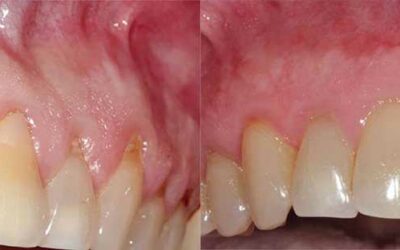
Gum Surgery Can Enhance Your Smile And Rescue Your Teeth
Are uneven gums or exposed tooth roots interfering with your smile's appearance? Do your teeth seem uneven or lopsided...
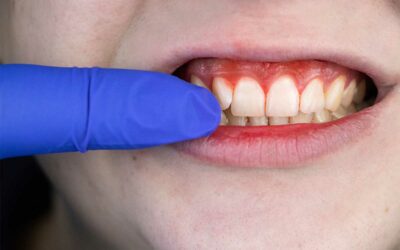
What are the Stages of Periodontal Disease?
Periodontal disease (gum disease) is one of the leading causes of tooth loss in Los Angeles. Fortunately, recognizing...